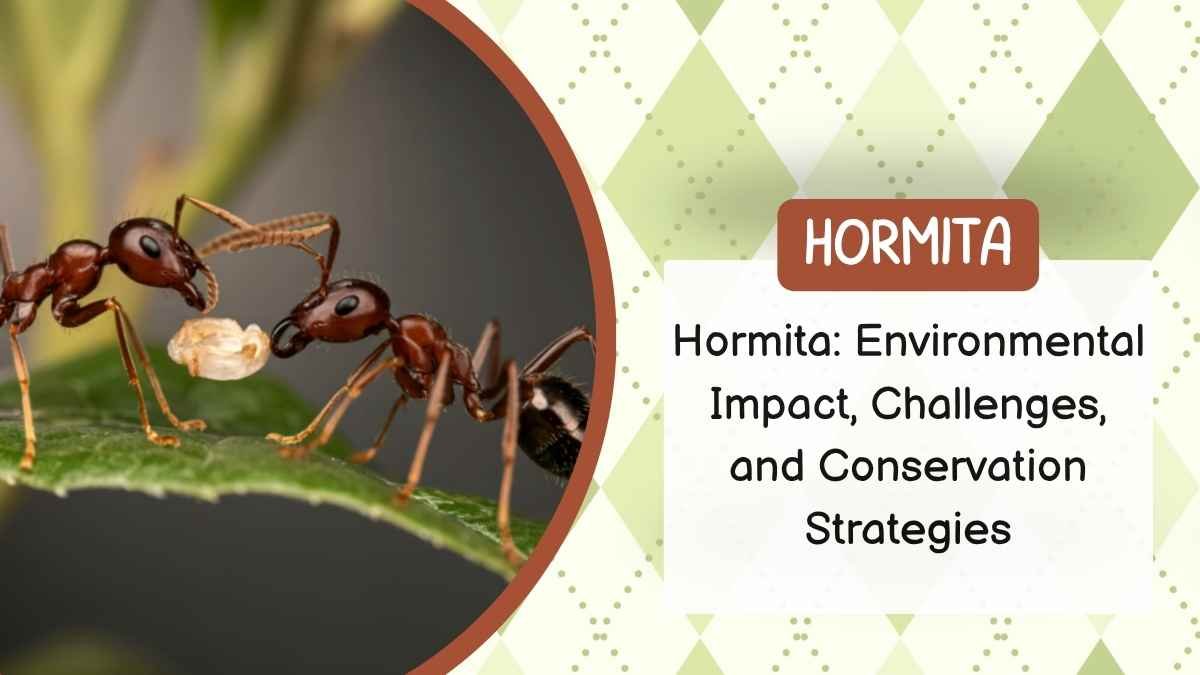
Hormita: Environmental Impact, Challenges, and Conservation Strategies
Introduction to Hormita and Its Environmental Importance
In an era where environmental concerns are becoming more urgent, understanding lesser-known ecological concepts like Hormita is increasingly valuable. Hormita represents a critical element within environmental systems that contributes to stability, balance, and long-term sustainability. While the term may not yet be widely recognized, its conceptual importance lies in how it reflects the interconnected nature of ecosystems. Every natural system relies on balance, and Hormita symbolizes that balance by supporting the interactions between living organisms and their surroundings.
As global challenges such as climate change, biodiversity loss, and environmental degradation continue to intensify, concepts like Hormita help us rethink how ecosystems function. By examining Hormita, we gain insight into how small environmental factors can have large-scale impacts. This understanding is essential for developing sustainable solutions that protect both nature and human life.
Understanding Hormita as a Core Ecological Concept
Hormita can be described as an environmental stabilizer that plays a role in maintaining harmony within ecosystems. It represents the processes, interactions, or elements that ensure natural systems function efficiently. In ecological terms, Hormita may relate to balance in nutrient cycles, energy flow, and species interaction. These processes are fundamental to sustaining life, making Hormita a key concept in environmental science.
The importance of Hormita becomes clearer when we consider how ecosystems operate. Every plant, animal, and microorganism contributes to a larger system. Hormita acts as a connecting force that ensures these contributions remain balanced. Without such balance, ecosystems would become unstable, leading to disruptions that could affect biodiversity and natural resources.
The Role of Hormita in Maintaining Ecosystem Stability
Ecosystem stability depends on a delicate balance between various natural processes. Hormita plays a vital role in maintaining this balance by supporting the continuous flow of energy and nutrients. It ensures that ecosystems remain productive and resilient, even in the face of environmental changes.
For example, natural cycles such as decomposition, water circulation, and plant growth rely on stable conditions. Hormita contributes to these conditions by regulating interactions between living and non-living components of the environment. When Hormita functions effectively, ecosystems are better able to adapt to changes and recover from disturbances.
Why Hormita Matters in the Modern Environmental Context
In today’s rapidly changing world, the significance of Hormita cannot be overstated. Environmental challenges such as global warming, deforestation, and pollution are placing immense pressure on ecosystems. These challenges disrupt the balance that Hormita helps maintain, making ecosystems more vulnerable.
Understanding Hormita provides valuable insights into how environmental systems respond to stress. It highlights the importance of preserving natural balance and encourages the adoption of sustainable practices. By focusing on Hormita, researchers and policymakers can develop strategies that address environmental issues more effectively.
Key Environmental Functions Associated with Hormita
Hormita is closely linked to several essential environmental functions that support life on Earth. These functions include maintaining ecological balance, supporting biodiversity, regulating natural cycles, and promoting resilience in ecosystems. Each of these functions contributes to the overall health and sustainability of the environment.
The concept of Hormita also emphasizes the importance of interconnectedness. Environmental systems do not operate in isolation; they rely on continuous interaction between different components. Hormita ensures that these interactions remain stable, allowing ecosystems to function efficiently over time.
Hormita and Its Connection to Biodiversity Preservation
Biodiversity is a cornerstone of healthy ecosystems, and Hormita plays a significant role in preserving it. By maintaining stable environmental conditions, Hormita allows diverse species to thrive. This diversity strengthens ecosystems, making them more resilient to changes and disturbances.
When Hormita is disrupted, biodiversity can decline rapidly. Species may struggle to survive in unstable conditions, leading to imbalances that affect the entire ecosystem. Protecting Hormita is therefore essential for conserving biodiversity and ensuring the long-term sustainability of natural systems.
Major Threats That Are Disrupting Hormita Today
Despite its importance, Hormita is increasingly under threat from human activities and environmental changes. Pollution, deforestation, climate change, and overexploitation of resources are among the primary factors that disrupt ecological balance. These threats weaken the processes that Hormita represents, leading to instability within ecosystems.
The impact of these threats is often interconnected. For example, deforestation not only destroys habitats but also contributes to climate change, which further disrupts environmental systems. Addressing these threats requires a comprehensive approach that considers the role of Hormita in maintaining balance.
The Impact of Human Activities on Hormita Systems
Human activities have become one of the most significant influences on environmental systems. Industrialization, urbanization, and unsustainable consumption patterns have altered natural processes, making it difficult for Hormita to function effectively. These changes have led to increased pollution, habitat destruction, and resource depletion.
The impact of human actions on Hormita highlights the need for responsible environmental management. By adopting sustainable practices, individuals and societies can reduce their negative impact and support the restoration of ecological balance.
Climate Change and Its Effects on Hormita Balance
Climate change is one of the most pressing challenges affecting Hormita. Rising temperatures, changing weather patterns, and extreme events disrupt ecosystems and weaken their stability. These changes make it harder for Hormita to maintain balance, leading to long-term environmental consequences.
The effects of climate change on Hormita are widespread. They can alter species distribution, disrupt natural cycles, and increase the frequency of environmental disasters. Addressing climate change is therefore essential for preserving Hormita and ensuring the health of ecosystems.
The Ecological Consequences of Hormita Disruption
When Hormita is disrupted, the effects can be far-reaching. Ecosystems may experience reduced biodiversity, weakened resilience, and increased vulnerability to external threats. These changes can have a cascading effect, impacting not only the environment but also human societies that depend on natural resources.
Understanding these consequences emphasizes the importance of protecting Hormita. It highlights the need for proactive measures that prevent environmental degradation and support ecosystem stability.
Hormita’s Influence on Food Chains and Natural Cycles
Food chains and natural cycles rely on balance and stability, both of which are supported by Hormita. It ensures that energy flows efficiently through ecosystems and that nutrients are recycled effectively. This balance is essential for sustaining life and maintaining ecological harmony.
When Hormita is disrupted, food chains can become unstable. This instability can lead to population imbalances, resource shortages, and environmental degradation. Protecting Hormita is therefore crucial for maintaining healthy ecosystems.
Global Conservation Efforts Focused on Environmental Stability
Around the world, conservation efforts are being implemented to protect ecosystems and maintain environmental balance. These efforts include policies, programs, and initiatives aimed at reducing pollution, conserving biodiversity, and promoting sustainability. While these initiatives may not always directly reference Hormita, they contribute to preserving the balance it represents.
Global cooperation is essential for addressing environmental challenges. By working together, countries and organizations can develop effective strategies to protect ecosystems and support Hormita.
Sustainable Practices That Support Hormita Protection
Sustainability is a key factor in protecting Hormita. Practices such as reducing waste, using renewable energy, and conserving natural resources help maintain environmental balance. These actions not only protect ecosystems but also support long-term sustainability.
Adopting sustainable practices requires a shift in mindset. It involves recognizing the importance of environmental balance and taking steps to preserve it. By doing so, individuals and communities can contribute to protecting Hormita.
Individual Responsibility in Preserving Environmental Balance
Every individual has a role to play in protecting the environment. Simple actions such as conserving energy, reducing waste, and supporting eco-friendly initiatives can make a significant difference. These efforts help maintain the balance that Hormita represents.
Raising awareness about environmental issues is also important. By educating others, individuals can encourage more people to adopt sustainable practices and support conservation efforts.
Community-Level Actions for Environmental Conservation
Communities can have a powerful impact on environmental conservation. Local initiatives such as tree planting, recycling programs, and clean-up campaigns help protect natural systems. These actions strengthen community engagement and promote environmental responsibility.
Community involvement also creates a sense of shared responsibility. It encourages individuals to work together towards a common goal, ensuring the long-term sustainability of ecosystems.
The Future of Hormita in a Changing World
The future of Hormita depends on how effectively environmental challenges are addressed. Advances in technology, increased awareness, and global cooperation provide opportunities for protecting ecosystems. However, ongoing environmental issues continue to pose challenges.
Balancing these opportunities and challenges will determine the future of Hormita. By prioritizing sustainability and conservation, it is possible to protect environmental balance and ensure a healthier planet.
Technological Innovations Supporting Environmental Conservation
Modern technology is playing an important role in environmental conservation. Tools such as data analysis, environmental monitoring, and artificial intelligence are helping researchers understand ecosystems more effectively. These innovations support better decision-making and improve conservation efforts.
Technology also provides new ways to address environmental challenges. By leveraging these tools, it is possible to develop innovative solutions that protect Hormita and promote sustainability.
Conclusion: Protecting Hormita for a Sustainable Future
Hormita represents a vital aspect of environmental balance and ecosystem health. Its role in maintaining stability, supporting biodiversity, and regulating natural processes makes it essential for sustaining life on Earth. Protecting Hormita requires collective effort, including conservation initiatives, sustainable practices, and increased awareness.
As environmental challenges continue to grow, the importance of Hormita becomes even more evident. By understanding and protecting it, we can ensure a more sustainable and resilient future for generations to come.
Keep exploring—there’s more valuable content ahead