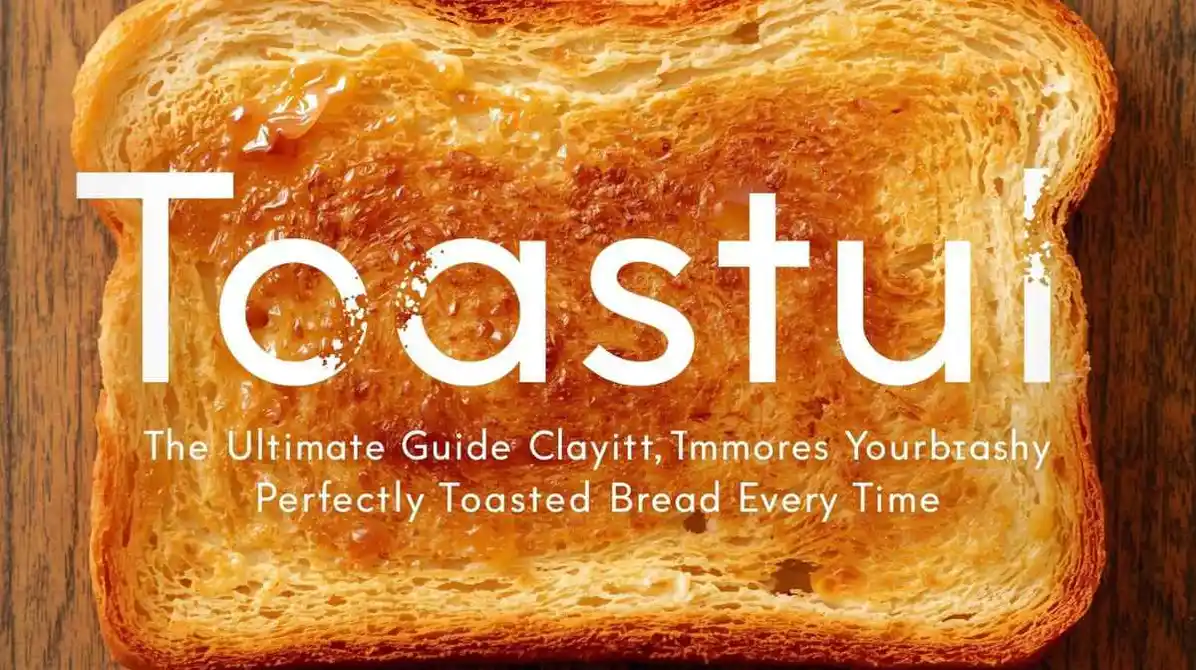
Toastul: The Ultimate Guide to Crafting Perfectly Toasted Bread Every Time
What Is Toastul and Why Perfect Toast Matters
Toastul refers to the simple yet refined process of turning ordinary bread into a perfectly toasted slice with the ideal balance of crunch and softness. While it may look like a basic kitchen task, mastering toast can significantly enhance taste, texture, and overall dining experience.
Perfect toast matters because it affects both flavor and satisfaction. A well-toasted slice delivers a warm, crispy exterior with a soft interior, while over-toasting creates bitterness and under-toasting leads to sogginess. Understanding Toastul helps you consistently achieve the ideal result.
The Science Behind Toasting Bread
Toasting bread involves a chemical process called the Maillard reaction. This reaction occurs when heat interacts with sugars and proteins in the bread, producing a golden-brown color and rich, nutty flavor.
As heat is applied, moisture evaporates from the bread, creating a crispy texture. The longer the bread is exposed to heat, the darker and more intense the flavor becomes. However, excessive heat can quickly lead to burning, which affects both taste and quality.
Choosing the Right Bread for Toastul Results
The type of bread you choose plays a crucial role in achieving perfect toast. Dense breads such as sourdough and whole grain are ideal because they hold their structure and deliver a chewy yet crispy texture.
White bread toasts quickly and produces a lighter texture, but it requires careful attention to avoid burning. Fresh bread contains more moisture and results in softer toast, while slightly stale bread tends to crisp up more evenly.
Selecting the right bread based on your preference ensures better results.
Key Factors That Affect Toast Quality
Several factors influence the quality of toast:
- Heat level: Determines how quickly bread browns
- Time: Controls the depth of color and crispiness
- Moisture content: Affects softness and texture
- Bread thickness: Impacts toasting duration
Balancing these elements allows you to create consistent and high-quality toast every time.
Essential Components of Perfect Toast
A perfectly toasted slice should have:
- An even golden-brown color
- A crisp exterior with a soft center
- A balanced flavor without bitterness
These elements together define the ideal toast and enhance your overall experience.
Types of Toasters and Their Features
Different types of toasters offer varying levels of control and convenience:
- Pop-up toasters: Quick and easy for everyday use
- Toaster ovens: Offer flexibility for different cooking styles
- Smart toasters: Provide precise control and customization
Choosing the right toaster depends on your needs, cooking habits, and desired level of control.
Comparing Popular Toasting Devices
Pop-up toasters are ideal for speed and simplicity but offer limited customization. Toaster ovens provide versatility and allow you to toast larger slices or multiple pieces at once.
Advanced smart toasters offer the most control, with adjustable settings and digital features that ensure consistent results.
Step-by-Step Guide to Making Perfect Toast
Follow these simple steps for the best results:
- Select the right bread
- Set the toaster according to thickness and preference
- Place the bread evenly
- Start the toasting process
- Remove the toast when it reaches a golden-brown color
Allow the toast to cool slightly before adding toppings to maintain its crispiness.
Ideal Settings for Different Types of Bread
Each type of bread requires a different approach:
- Thin slices: Low heat for shorter duration
- Thick slices: Medium heat for longer toasting
- Frozen bread: Higher heat or defrost mode
- Artisan bread: Medium-high heat for even browning
Adjusting settings ensures optimal results.
Common Mistakes to Avoid
Many people make simple mistakes when toasting bread, such as:
- Using incorrect heat settings
- Ignoring bread thickness
- Leaving toast unattended
- Overcrowding the toaster
Avoiding these mistakes helps achieve better and more consistent results.
Troubleshooting Toasting Issues
If your toast is burnt, reduce the heat or shorten the toasting time. If it is too soft, increase the heat or extend the time slightly.
Uneven toasting may result from improper placement or equipment issues. Ensuring proper alignment can solve this problem effectively.
Expert Tips for Perfect Toast
To improve your toast quality:
- Use slightly stale bread for better crispiness
- Experiment with settings to find your preference
- Preheat your toaster when possible
- Flip slices when using a toaster oven for even results
These tips help you achieve professional-level toast at home.
Controlling Crispiness and Texture
The level of crispiness depends on heat and time. Lower heat produces softer toast, while higher heat results in a crunchier texture.
For extra flavor, you can lightly butter the bread before toasting. This enhances both taste and texture.
Creative Topping Ideas
Toast is highly versatile and can be customized with a wide range of toppings:
- Sweet: honey, jam, peanut butter, fruits
- Savory: eggs, cheese, avocado, vegetables
- Gourmet: smoked salmon, herbs, specialty spreads
Experimenting with toppings turns simple toast into a delicious meal.
Sweet vs Savory Toast Options
Sweet toast provides a comforting, dessert-like experience, while savory toast offers a more filling and balanced meal.
Popular combinations include cinnamon toast for sweetness and avocado toast for a savory option. Both can be tailored to personal preferences.
Healthy Toasting Tips
To make toast healthier:
- Choose whole grain bread for more fiber
- Avoid excessive butter and sugar
- Use healthy toppings like avocado or nuts
Healthy choices can make toast both nutritious and satisfying.
Modern Toast Trends and Innovations
Modern kitchens now feature smart toasters with advanced settings and precision controls. Toast has also evolved into a gourmet trend, with chefs creating high-quality, visually appealing toast dishes.
Toastul is no longer just a basic food—it has become part of modern culinary creativity.
Final Thoughts
Mastering Toastul is about understanding heat, timing, and ingredients. With the right techniques and small adjustments, you can consistently create perfectly toasted bread that is crispy, flavorful, and satisfying.
Keep exploring—there’s more valuable content ahead.